What flupyradifurone is and why it is a breakthrough
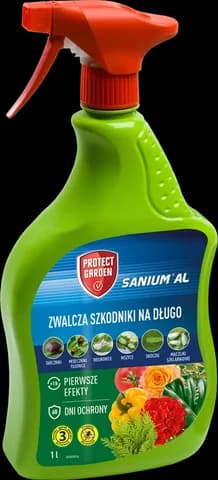
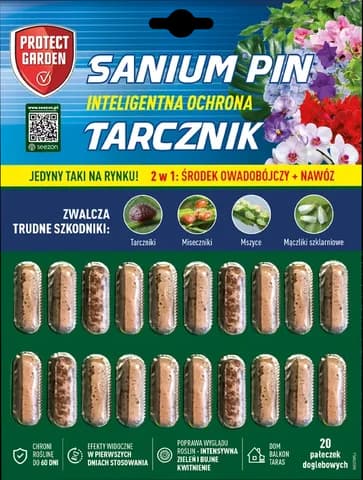
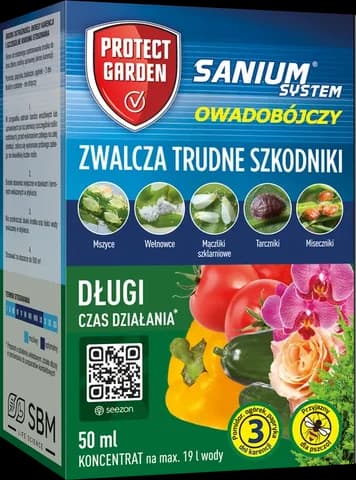
Flupyradifurone is an active substance belonging to the neonicotinoid group, characterised by systemic action. Once inside the plant, it moves with the sap, so it also reaches places that were not directly covered during spraying. This makes it possible to control even hard-to-reach and hiding pests effectively.
Where did this substance come from?
The story is genuinely interesting and worth sharing with customers. Scientists observed that the Asian medicinal plant Stemona japonica is not attacked by pests. It turned out that it produces a natural substance – stemofoline – with insecticidal properties. Years of research and modification of the molecule led to flupyradifurone: a synthetic compound that kept the effectiveness of the original while gaining exceptional selectivity.
What makes Sanium act selectively on pests?
Insects of different species have slightly differently built receptors in their nervous system. Insecticides disrupt the flow of electrical signals between neurons, and according to the manufacturer’s data, flupyradifurone shows higher selectivity for the receptors of selected pests (e.g. aphids) than for the receptors of bees and other pollinators. In laboratory and field studies (tunnel and open-field), carried out on crops particularly attractive to bees, no negative effect was observed on foraging, activity, brood development or colony vitality.
However, this topic should be approached with due caution – the assessment of the impact of neonicotinoid substances on pollinators is still under review, so we recommend using Sanium strictly according to the label, taking particular care with treatments during the flowering of plants visited by bees.
The available data also suggest that Sanium may be a gentler choice for other beneficial insects, such as ladybirds, lacewings or predatory hoverflies, than products with a broader spectrum of action.